Introduction
When it comes to maintaining your home, one of the most critical components often gets overlooked: the septic system. The importance of regular septic tank pumping can’t be overstated. If you've ever found yourself pondering whether to roll up your sleeves and dive into a DIY project or call in the pros, you’re not alone. This article will explore the ins and outs of DIY vs. Professional Septic Tank Pumping: Which is Best?, providing you with the information you need to make an informed decision.
Septic systems are essential for homes not connected to municipal sewer systems. They safely treat and dispose of wastewater, but like any system, they require maintenance. Neglecting your septic tank can lead to significant issues, including costly repairs and potential health hazards. So, let’s dig deeper into this topic.
Understanding Septic Systems
What is a Septic System?
A septic system consists of several components that work together to treat wastewater from your home. Generally, it includes a septic tank, a drain field, and various pipes. Wastewater flows from your house into the septic tank, where solids settle at the bottom and liquids flow out into the drain field for final treatment.
Why is Regular Septic Tank Pumping Necessary?
Regular septic tank pumping is crucial for maintaining the functionality of your septic system. Over time, sludge builds up in the tank; if left unchecked, it can overflow into the drain field or back up into your home. This can create unsanitary Septic tank Pumping conditions and costly repairs.
Signs Your Septic Tank Needs Pumping
Some warning signs indicate that it may be time for a pump-out:
- Slow drains throughout the house Foul odors near your drain field Pooling water around your yard Unusually lush patches of grass
Recognizing these signs early can save you from major headaches down the line.
DIY Septic Tank Pumping: Is It Worth It?
Pros of DIY Septic Tank Pumping
If you're considering taking on this task yourself, here are some benefits:
Cost Savings: Doing it yourself means saving on labor costs. Control: You have full control over when and how you do it. Learning Experience: It’s a great way to learn about your home’s plumbing system.Cons of DIY Septic Tank Pumping
However, there are significant drawbacks:
Safety Risks: Handling waste materials can pose health risks. Inadequate Equipment: You may not have access to professional-grade equipment. Legal Issues: In some areas, local regulations require licensed professionals for this task.So while DIY might seem appealing initially, weigh these factors carefully before proceeding.
Professional Septic Tank Pumping Services
What Do Professionals Offer?
Hiring experts like Ace Septic & Waste ensures that all aspects of septic tank pumping are handled correctly:
- Thorough cleaning and inspection Proper disposal of waste materials Knowledgeable staff who understand local regulations
Benefits of Hiring Professionals
Expertise: Professionals have extensive training and experience. Efficiency: They complete jobs quickly using specialized equipment. Peace of Mind: Knowing that the job is done right reduces stress.While hiring professionals does come with costs, it may ultimately save you money by avoiding costly mistakes.
Costs Associated with Both Options
DIY Costs Breakdown
When considering DIY septic tank pumping, factor in costs such as:
- Tools (if not already owned) Personal protective equipment (gloves, masks) Disposal fees at local facilities
The overall cost can vary but might range from $100 to $300 depending on what you need to purchase.
Professional Service Costs
On average, professional septic tank pumping costs between $300 and $500 based on location and tank size—Ace Septic & Waste provides competitive pricing in this sector without compromising quality service.
Comparative Cost Table
| Option | Estimated Cost | |----------------------|---------------------| | DIY | $100 - $300 | | Professional Service | $300 - $500 |
As seen in this table, while DIY might appear cheaper upfront, consider hidden costs like potential repairs resulting from improper handling.
Legal Considerations in Septic Tank Pumping
Local Regulations for DIY Work
Certain jurisdictions impose strict regulations concerning who can pump out a septic tank due to potential environmental hazards associated with improper disposal methods.
Permits Needed for Professional Services
Professional services typically handle permits as part of their offerings; however, ensure that any company hired complies with local laws—an area where Ace Septic & Waste excels!
Environmental Impact of Septic Tank Practices
How Does Improper Maintenance Affect Local Ecosystems?
Improperly maintained septics can leak contaminants into local waterways affecting aquatic life and drinking water sources—aspects often overlooked by those considering DIY options without understanding their broader impact.
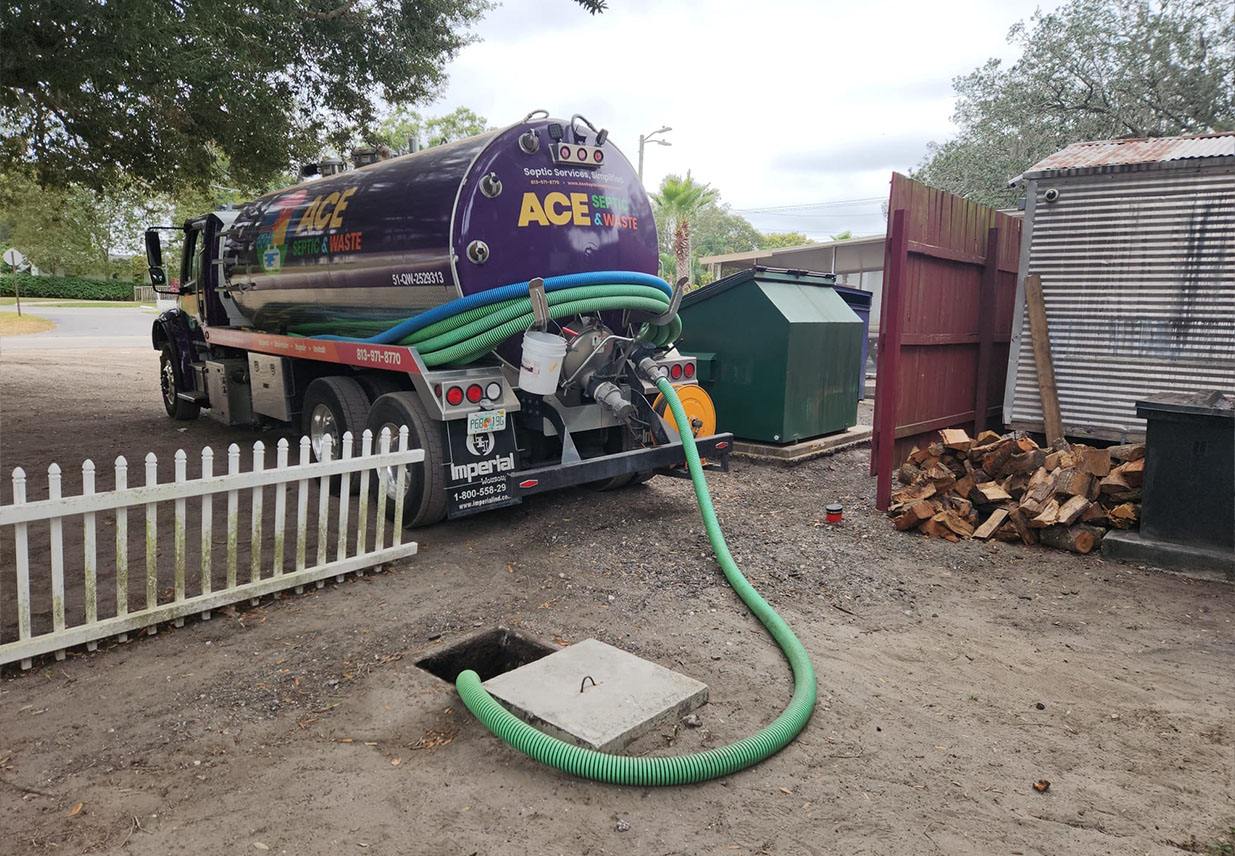

Eco-Friendly Practices by Professionals Like Ace Septic & Waste
Professional services often utilize eco-friendly techniques during their work—ensuring minimal environmental damage while effectively managing waste disposal processes.
Maintenance Tips Beyond Pumping
Regular Inspections
Scheduling regular inspections even after pumping helps catch issues before they escalate—this proactive approach saves homeowners both headaches and money long-term!
Proper Usage Guidelines
Educating family members on proper usage practices—like avoiding flushing non-biodegradable items—can significantly extend intervals between necessary pump-outs!
FAQ Section
li20/ol4/li21li21/ol5li22# How often should I pump my septic tank?- Generally every 3-5 years depending on household size and usage patterns.
- Neglect leads to backups or failures which could culminate in costly repairs or replacements!
- Minimal compared to DIY efforts when properly licensed companies handle tasks professionally ensuring compliance with safety standards!
Conclusion
Deciding between DIY vs Professional Septic Tank Pumping boils down largely to personal comfort levels regarding risk management versus financial considerations—the complexities involved emphasize why many opt for expert services like Ace Septic & Waste instead!
By weighing all facets discussed above—including costs involved alongside safety concerns—you'll be well-equipped to make informed choices regarding maintenance needs moving forward!
Remember folks; investing wisely today will surely yield dividends tomorrow when it comes down maintaining our beloved homes’ vital systems!